How to Unclog a Shower Drain in Austin
How to unclog a shower drain in Austin starts with reading the signs: pull the drain cover, clear the hair you can reach, plunge with a tight seal, then try a plastic zip tool or small snake. If water also backs up in a tub or toilet, call to be connected with a local provider.
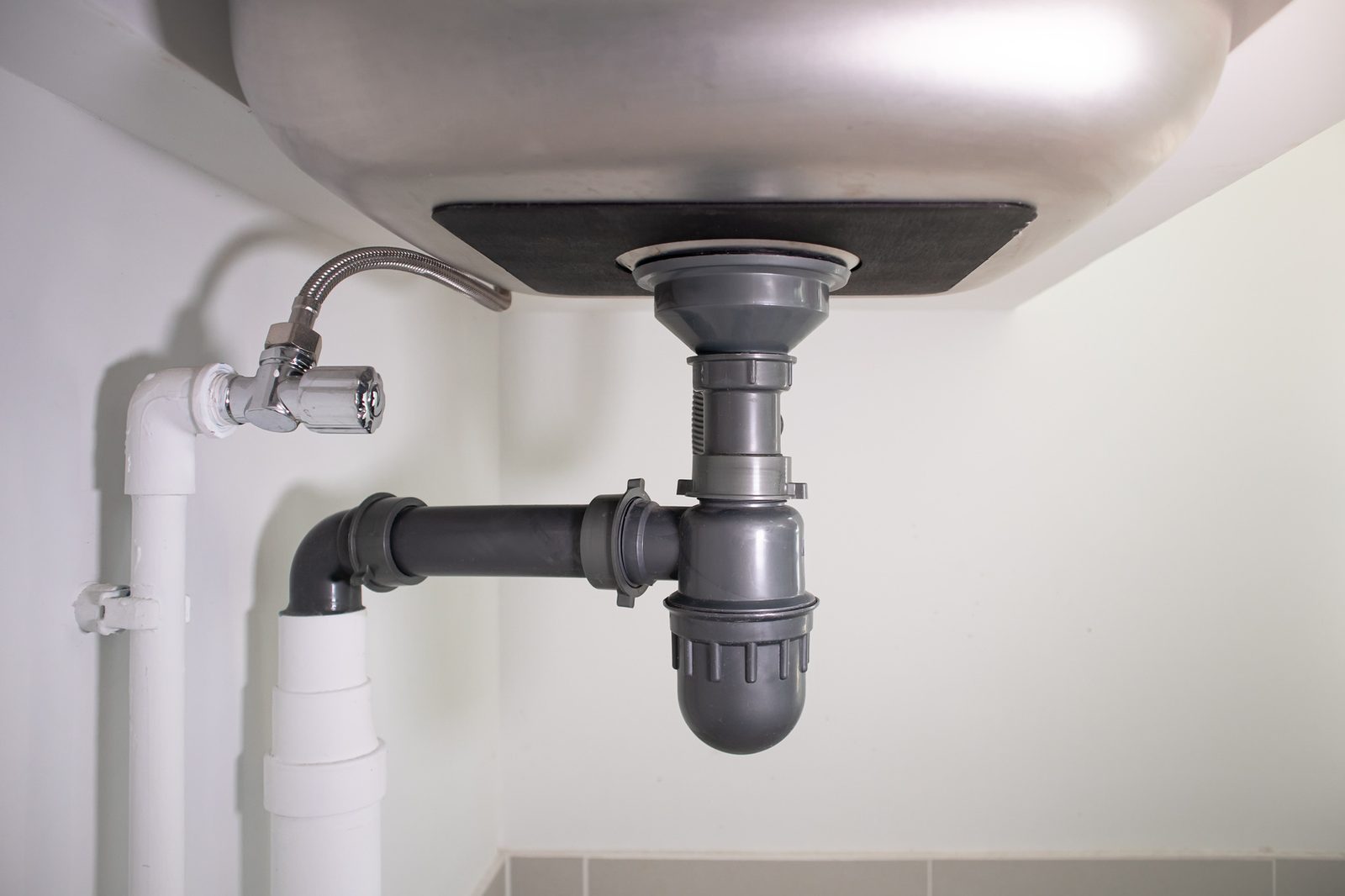
- Most shower clogs are hair bound together with soap scum, caught just under the cover or in the trap a short way down.
- A slow shower with every other drain working fine usually points to a clog in that shower line only.
- Water rising in the shower when a toilet flushes or a washer drains points to a blockage farther down the shared line.
- Never plunge or snake right after pouring in a chemical drain cleaner. Splashback can burn skin and eyes.
- Austin Water says the owner's shutoff valve is typically on the owner's side of the water meter, in the meter box.
How to unclog a shower drain: what should you try first?
To unclog a shower drain in Austin, start by taking off the drain cover and pulling out the hair and soap gunk sitting right under it. In many homes the clog is within a few inches of the opening, so this simple step fixes the problem with no tools beyond a screwdriver and gloves.
- Turn the shower off so you can see the drain.
- Remove the cover. Some lift out, some twist counterclockwise, and some have one or two small screws. If it is glued or will not budge, do not force it; a cracked drain body turns a clog into a leak.
- Wear gloves and pull out the hair. A flashlight helps you see how far down it goes.
- Throw the debris in the trash, then run warm water and watch the flow.
If the water still pools, work from gentle to stronger methods: a plunger, then a plastic zip tool, then a small hand snake.
What do the signs tell you about where the shower clog is?
The way a shower drains tells you where the blockage sits. A shower that drains slowly while every sink and toilet works fine almost always has a clog in its own drain or trap. A shower that backs up when other fixtures run points to a problem deeper in the shared line.
- Slow drain that clears in a few minutes: a partial hair clog near the cover or trap. Usually a do-it-yourself job.
- Standing water that barely moves: a heavier hair and soap mat in the trap.
- Bad smell after cleaning the cover: buildup still in the trap, or a trap that dried out in an unused shower.
- Gurgling when the toilet flushes: a partly blocked shared line or a venting problem.
- Dirty water coming up: a main line blockage. Stop using water and call.
Not sure which applies? Our guide on telling a clogged drain from a sewer line problem walks through the differences.
How do you plunge a shower drain so it actually works?
A plunger clears a shower drain only when it seals well and has water around the cup. Use a flat cup plunger, not a flanged toilet plunger, and make sure a couple of inches of water cover the cup. Short, firm strokes work better than a few big shoves.
- Remove the drain cover first.
- On a tub and shower combo, cover the overflow plate with a wet rag so the pressure is not lost.
- Rub a little petroleum jelly on the rim for a better seal on flat tile or acrylic.
- Plunge 10 to 15 times, keeping the seal, then pull up sharply and check the water.
Two or three rounds is a fair try. If nothing moves, the clog is likely a dense mat that needs to be pulled out rather than pushed.
Need help now? Call to be connected with a local provider in Austin who can check availability for your address.
How do you use a zip tool or drain snake in a shower drain?
A plastic zip tool is often the quickest way to unclog a shower drain full of hair. Slide it straight down, twist it, and pull it back up slowly so the barbs bring the hair out. Repeat until it comes up clean, then run warm water to test the flow.
If the zip tool is too short, a small hand drain snake reaches farther into the trap. Feed the cable in slowly while turning the handle. When you feel resistance, turn a little more to hook the clog, then pull it back out instead of pushing it deeper.
- Do not force the cable through sharp bends. Older drain pipe can crack.
- Skip powered augers unless you are comfortable with one.
- Never snake a drain that still has chemical cleaner in it.
Once the drain runs freely, a hair catcher over the opening keeps most of the problem from coming back.
Why does my shower drain gurgle or back up when the toilet flushes?
A shower that gurgles or fills with water when a toilet flushes is a sign the clog is not in the shower at all. It usually means there is a blockage in the shared drain line or the main line farther down, so water from the toilet has nowhere to go but up the lowest opening, which is often the shower.
Other signs that point the same way include the washing machine making the shower back up, a sewer smell from more than one drain, and water around a floor drain or the yard cleanout. Plunging the shower will not fix a main line clog and can push dirty water around the bathroom.
If you see these signs, stop running water, avoid flushing, and call to be connected with a local provider. A camera inspection or main line clearing may be needed, and our sewer line repair page explains what that involves.
When should you stop trying to unclog a shower drain yourself?
Stop and call when the simple steps have not worked after two or three honest tries, or when the signs point beyond the shower. Pushing harder with tools or stronger chemicals is how a clog turns into a cracked trap or a leak under the floor.
- The water still will not drain after clearing the cover, plunging and using a zip tool or snake.
- Other drains are slow too, or the shower backs up when you flush or run the washer.
- You already poured a chemical drain cleaner and the water is still standing.
- The cover or drain body is stuck, cracked or loose.
- You see stains on a ceiling below the shower or soft flooring near it.
- The same shower keeps clogging even with a hair catcher.
For repeat problems, our page on drain cleaning in Austin covers what a fuller cleaning looks like.
What happens during the visit?
When you call, you are connected with a local provider who looks at the shower and the drain system before suggesting any work. The goal is to find where the clog is and why it formed, then explain your options in plain terms.
- Inspection: the provider asks what you have tried, checks the drain and trap, and looks at whether other fixtures are affected.
- Finding the cause: this may mean snaking the line, checking the vent, or using a camera if the signs point to the main line.
- Options explained: you hear what each approach involves and what it is meant to solve.
- Written quote: you get a written quote before any work begins.
Mention any chemical cleaners you used so the provider can work safely.
What should Austin-area homeowners know about shower drain clogs?
A few local details help when a shower drain backs up in the Austin area. First, know how to shut the water off if a fixture or supply line starts leaking while you work. Austin Water says the property owner's shutoff valve is typically on the owner's side of the water meter in the meter box, and the City valve may need a meter key, available at most hardware stores.
Second, water hardness varies across the metro. Austin Water's 2025 report lists tap-water total hardness of 70 to 126 ppm, with an average of 93 ppm. Round Rock, Pflugerville, Cedar Park and Georgetown run separate utilities, and Round Rock's 2024 report lists hardness of 184 to 358 ppm and says hardness can cause water spots but does not damage plumbing. Hair and soap scum, not hard water, are the usual cause of a clogged shower.
Third, doing it yourself. Texas law says a property owner is not required to be licensed to do plumbing in their own homestead. The Texas State Board of Plumbing Examiners (TSBPE) advises asking your city's plumbing inspection department whether a job needs a permit, and suggests getting the name of a company's Responsible Master Plumber and checking that the license is valid.
Homeowners in Austin, Round Rock, Pflugerville, Georgetown, Leander and Manor can call (512) 325-3573 to be connected with a local provider.
Related pages
Questions people ask
What is the quickest way for how to unclog a shower drain full of hair?
The quickest way is to remove the drain cover and pull the hair out by hand or with a plastic zip tool. Most hair clogs sit within a few inches of the opening, so this often clears the drain in minutes.
Why does my shower drain smell like rotten eggs or sewage?
A bad smell usually means hair and soap buildup are rotting in the trap, or the trap has dried out. Clean the cover and trap first and run water in showers you rarely use; if the smell comes from several drains, call to have the line checked.
Why is water coming up in my shower when I flush the toilet?
That usually means a clog in the shared drain line or main line, not the shower itself. Stop using water and call to be connected with a local provider, since plunging the shower will not reach that blockage.
Is it safe to use a toilet plunger on a shower drain?
A flat cup plunger works better on a shower drain than a flanged toilet plunger. The flat cup seals on tile or acrylic, and keeping toilet and shower tools separate is more sanitary.
Is it okay to pour bleach down my shower drain to clear it?
No, bleach does not dissolve hair clogs well, and mixing it with other cleaners can release harmful fumes. Use mechanical methods like a zip tool or plunger instead.
What should I do if I poured drain cleaner in the shower and it is still clogged?
Do not plunge or snake it, because the chemical can splash. Ventilate the room, keep kids and pets away, and call to be connected with a local provider, and tell them which product you used.
How often should I clean my shower drain to keep it from clogging?
Pulling hair from the cover once a week or so and doing a deeper clean every few months keeps most showers flowing. Homes with long hair or many people using one shower may need it more often.
Do hair catchers really stop shower drains from clogging?
Yes, a hair catcher stops most hair before it reaches the trap, which prevents the most common shower clog. Empty it after each use or two so it does not slow the drain itself.
Why does my shower drain keep clogging even after I clean it?
Repeat clogs usually mean buildup remains deeper in the trap or line, or that something is wrong farther down. If a hair catcher and regular cleaning do not help, call to have the drain checked.
Can a clogged shower drain cause a leak or water damage?
It can if water overflows the shower pan or if forcing tools cracks the drain or trap. Watch for stains on the ceiling below or soft flooring near the shower and call if you see them.
Is a slow shower drain an emergency?
A slow shower drain on its own is usually not an emergency. It becomes urgent when dirty water backs up, several drains are affected, or water is leaking into floors or ceilings.
Do I need a licensed plumber in Austin to unclog my own shower drain?
No, Texas law says a property owner is not required to be licensed to do plumbing in their own homestead. If you hire help, TSBPE suggests checking that the company's Responsible Master Plumber license is valid.
Does Austin's hard water cause shower drain clogs?
Hard water mostly leaves scale on fixtures, glass and covers, while hair and soap scum cause most shower clogs. Austin Water's 2025 report lists an average hardness of 93 ppm, and Round Rock's report says hardness does not damage plumbing.
How do I unclog a tub and shower combo drain with a stopper?
Remove or lift out the stopper first, then clear the hair under it. Cover the overflow plate with a wet rag before plunging so the pressure goes to the clog.
When should I call someone in Austin for a clogged shower drain?
Call when two or three rounds of clearing the cover, plunging and using a zip tool have not worked, or when other drains are affected. Homeowners across Austin, Round Rock and Pflugerville can call to be connected with a local provider.
Talk to someone about your plumbing problem
Call to be connected with a local provider who can check availability for your address and explain the next step.