Clearing the right line
A single slow fixture is a branch problem. Several fixtures backing up at once means the trouble is further along, and clearing the sink would only waste your money.
Sinks that empty slowly, a tub that gurgles when the washer drains, or a kitchen line that backs up every few weeks. An independent plumber can clear the blockage and explain what caused it, so the same drain is not a standing appointment.
What is in the line depends on the age of the house. Older central Austin homes still drain through cast iron that has roughened inside over decades and catches everything that passes. Newer suburban houses have plastic waste lines, so a repeat blockage usually points to a fall problem, a vent issue or something further down the line.
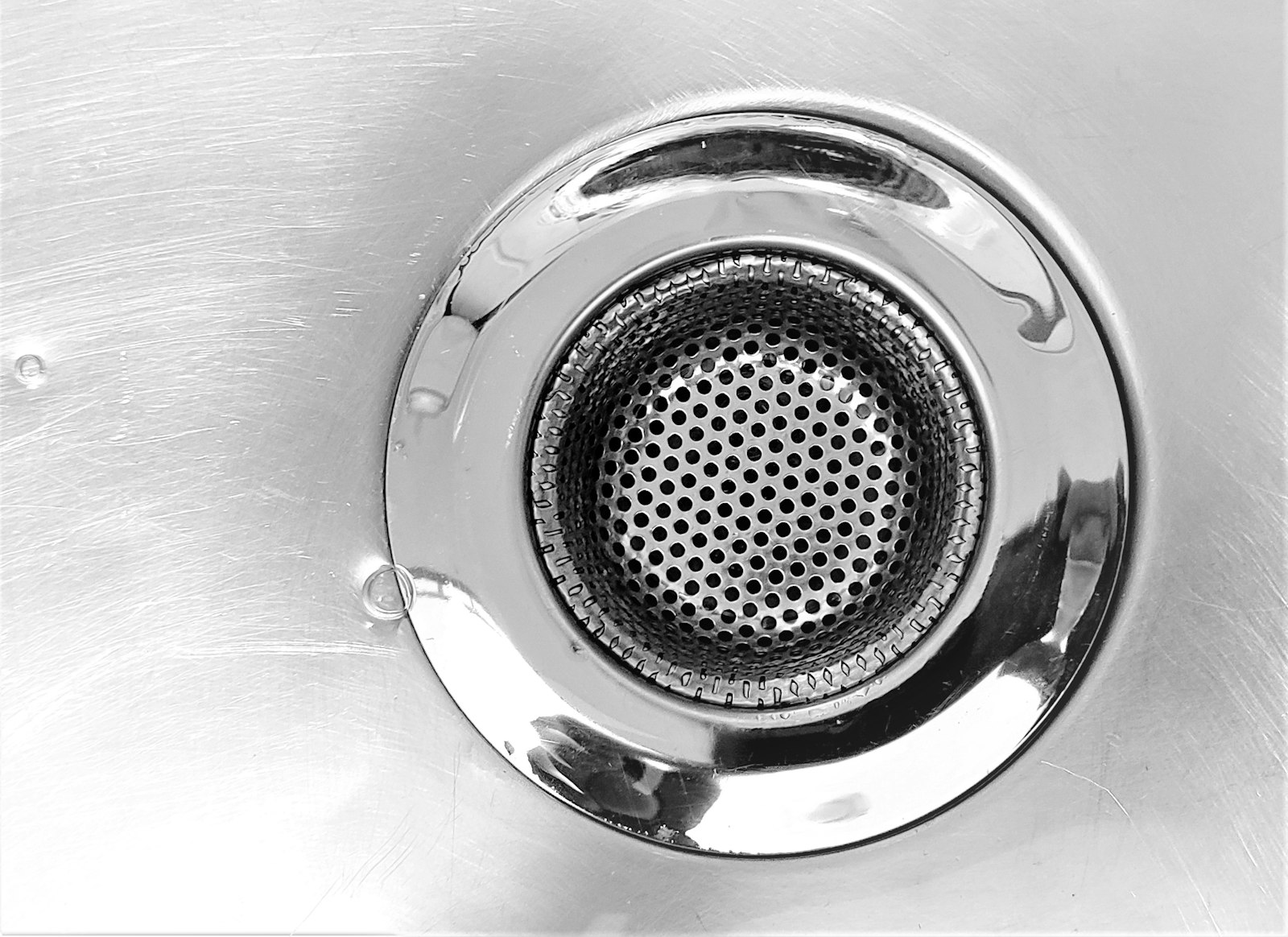
The point of the visit is a drain that stays clear, so the cause matters as much as the clog.
A single slow fixture is a branch problem. Several fixtures backing up at once means the trouble is further along, and clearing the sink would only waste your money.
Grease and food waste, hair and soap, wipes and paper, or roots at a joint all leave different evidence. Knowing which one it was tells you whether it will happen again.
If a line has blocked more than once, a camera inspection shows whether the pipe itself is the problem before anyone suggests replacing it.
Most household blockages clear on the first visit. The ones that do not are usually telling you something about the pipe: a belly holding water, a broken section, or roots that have found a joint. That is a repair conversation rather than a cleaning one, and it should come with a written scope.
Steer clear of repeated chemical drain products, especially in an older cast-iron line. They sit on top of a solid blockage, they do not clear roots, and they make the drain unsafe for the person who opens it next. Tell Austin Emergency Plumbing Pros if any have been poured down.
If more than one fixture is affected, read clogged drain or sewer line and look at sewer line repair. When only the kitchen sink is involved and the unit under it hums or trips, start with garbage disposal repair. For a toilet that drains slowly on its own, see toilet and faucet repair, or describe the symptom and a plumber can work out which it is.
Which line it is, where the access point sits and how far in the blockage has formed. A kitchen branch reached from under the sink is straightforward; a main line pulled from an outside cleanout is a bigger job. Ask the independent plumber to confirm the work and price at the property before starting.
Gentle plunging on a sink or toilet is fine. Repeated chemical products are not: they can sit in the trap, damage older pipe and burn whoever opens the line afterwards. If a drain has not cleared with a plunger, stop and leave it for the visit.
Because the cleaning treated the symptom and not the cause. A line with poor fall, a damaged section or roots at a joint will fill again on schedule. Ask for a camera inspection, and see sewer line repair for what happens when the pipe itself is at fault.
Call and say which fixtures are affected and how long it has been backing up.