Finding the actual fault
An electric unit with one dead element, a gas unit whose pilot assembly will not hold, and a failed thermostat all end in a cold shower. They are different repairs.
No hot water at all, hot water that runs out in minutes, or a puddle spreading from the base of the tank. Independent plumbers work on gas, electric and tankless units; ask what failed before anyone talks about a new heater.
Austin water comes out of the Edwards region carrying a lot of dissolved mineral, and it leaves scale behind everywhere it is heated. In a tank that means a sediment layer that insulates the burner and makes the unit rumble; in a tankless unit it means a heat exchanger that needs descaling on a schedule, or it starts short-cycling and throwing faults.
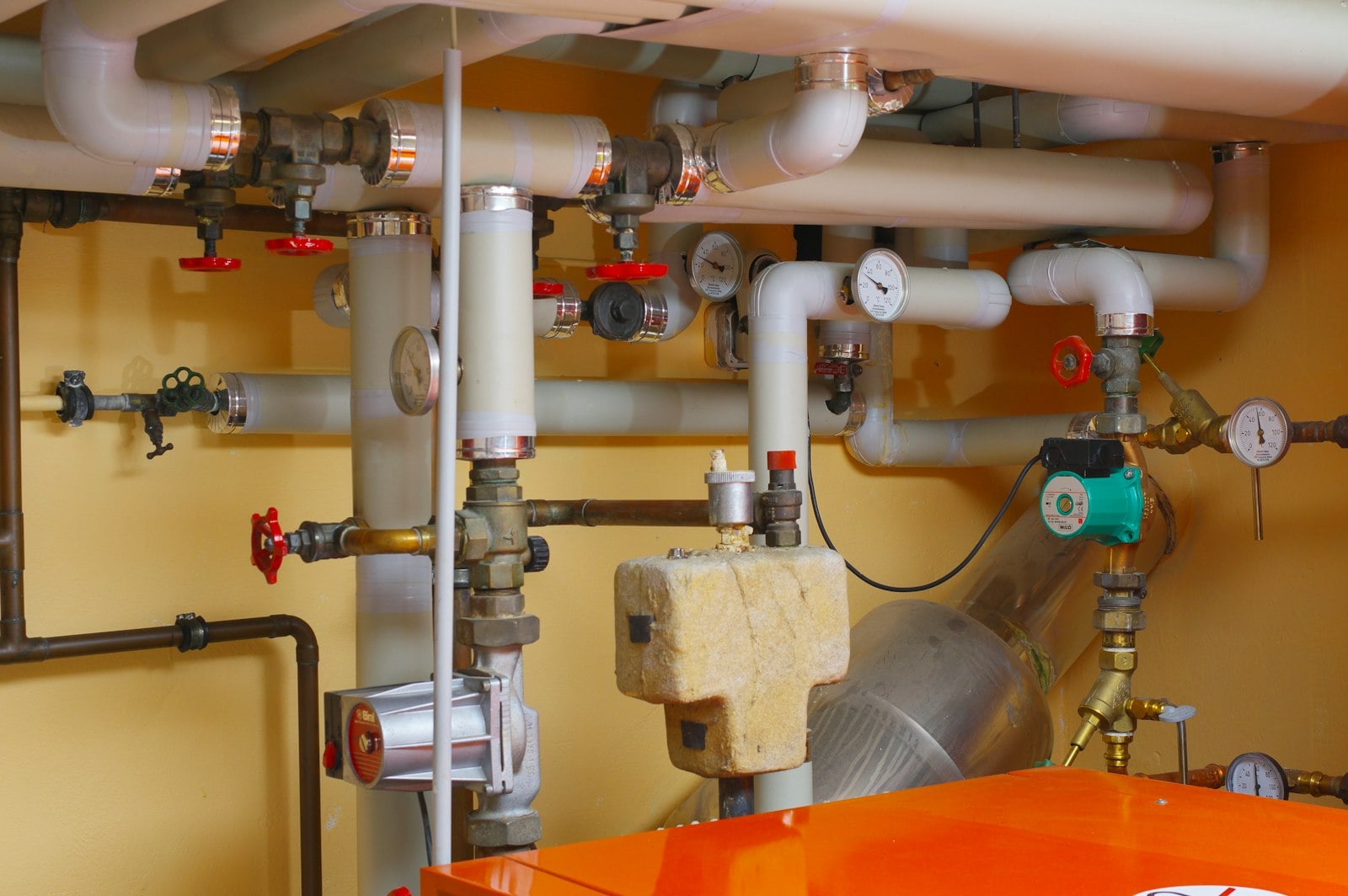
A water heater has several parts that produce the same complaint. The visit separates them before anything is replaced.
An electric unit with one dead element, a gas unit whose pilot assembly will not hold, and a failed thermostat all end in a cold shower. They are different repairs.
Mineral build-up is checked on a tank and a descale is discussed for a tankless unit. Heavy sediment also explains noise, slow recovery and a heater that runs longer than it should.
The supply connections, the relief valve, the drain pan and, on a gas unit, the flue are all inspected. A heater in an Austin attic needs a working pan and drain line as much as it needs heat.
Age matters, but it is not the only thing. A six-year-old tank with a failed element is worth repairing. A tank with rust in the hot water and water seeping from the shell is not, because that is the tank itself failing. A tankless unit is usually a component and descale conversation rather than a replacement one.
Before the visit, do not drain a hot tank and do not touch a gas control you are unsure of. If the unit is leaking and you can safely reach the breaker or the gas valve serving it, turning that off and closing the cold inlet on top of the heater limits the damage. If any of that is out of reach, leave it and say so.
Weighing a repair against a new unit? Work through water heater repair versus replacement. If the water is appearing near the heater but the unit looks dry, start with leak detection. For what to check yourself first, read no hot water: what to check, or call with the model and the symptom.
Which part failed, whether the unit is gas, electric or tankless, and how it is installed. A heater in an attic or a tight closet takes longer to work on than one standing in a garage. Ask the independent plumber for the repair price after the diagnosis, with any optional work kept separate.
Hard water shortens the life of a tank, and heaters in Austin often show sediment problems earlier than the manufacturer literature suggests. Flushing helps. Once a tank leaks from the shell rather than a fitting, it has reached the end. See the repair versus replacement comparison.
Not necessarily. Scale in the heat exchanger, a blocked inlet filter and a venting problem all produce fault codes on a unit that is otherwise fine. Note the code and tell Austin Emergency Plumbing Pros when you call, because it narrows the diagnosis before the visit.
Cold water is unaffected, but a leaking heater should not be left running. If the breaker or gas valve serving the unit is safely accessible, turn it off and close the cold inlet valve on top of the tank. If it is in an attic or you are not sure which control is which, leave it and mention it when you call.
Call and describe the type of heater and what it is doing to reach a plumber.