Isolating the system
Sections of the plumbing are shut off in turn and pressure is watched, which separates a supply leak from a drain problem, irrigation or a running toilet.
A water bill that jumped for no reason, damp drywall, or a meter that keeps turning with everything switched off. An independent plumber can trace where the water is going before any wall, ceiling or floor is opened up.
The Austin Water meter sits in a box at the curb on most properties, which makes a simple test possible: close every fixture, note the dial or the leak indicator, wait, and check it again. If it has moved, water is leaving the system somewhere. That test tells you a leak exists; it does not tell you where, which is the part worth paying someone to get right.
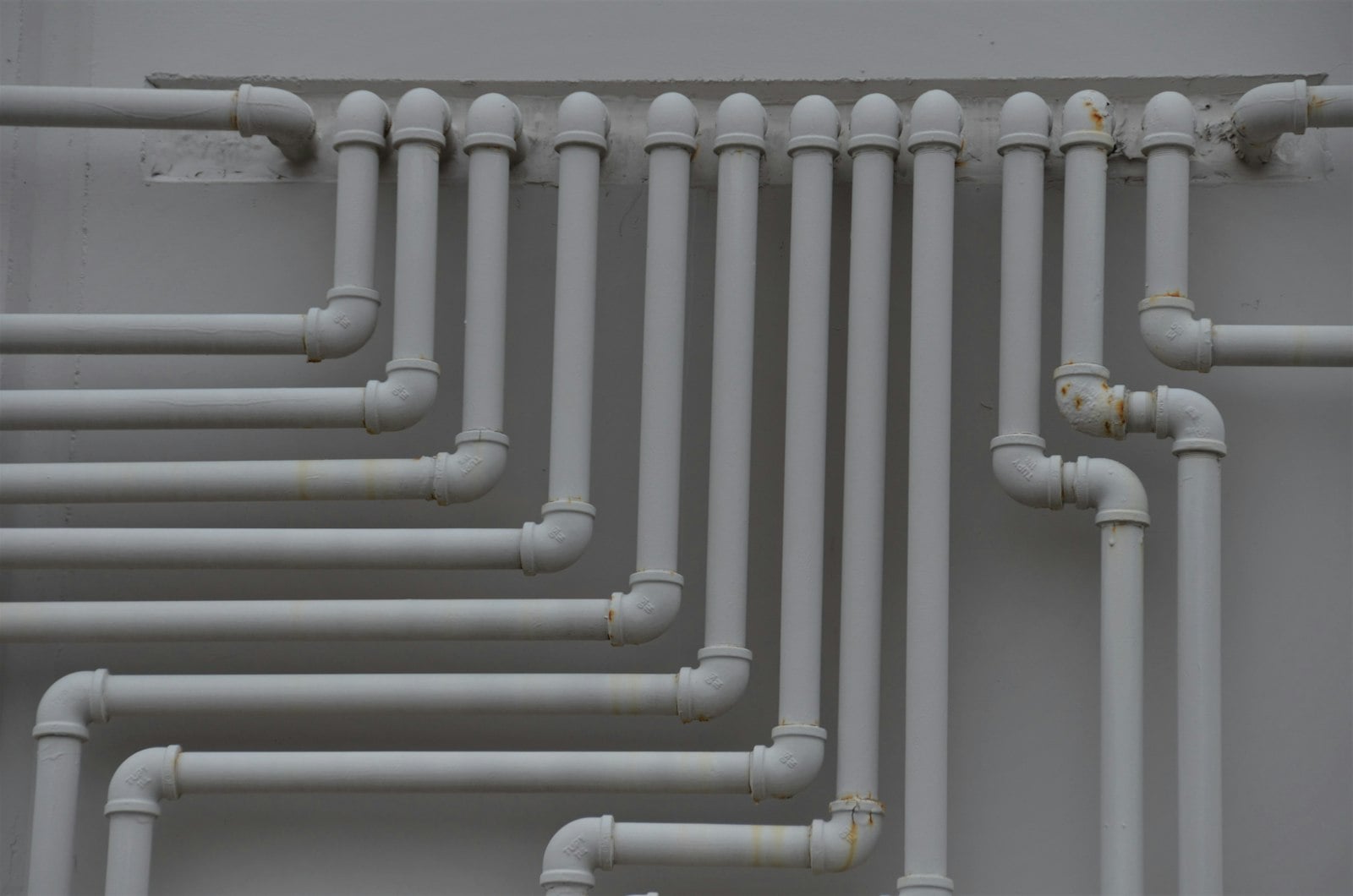
The goal is a location, not a guess. Opening the wrong wall is the expensive part of a leak.
Sections of the plumbing are shut off in turn and pressure is watched, which separates a supply leak from a drain problem, irrigation or a running toilet.
Listening equipment, pressure testing and moisture readings narrow the search to a specific run of pipe before anything is cut.
Once the point is located, ask the provider what has to be opened, what will be replaced and how the surface will be left, and agree the price first.
Not every leak found this way is in a wall. A good number turn out to be a toilet flapper passing water continuously, an irrigation valve that will not close, or a water heater relief valve dripping into a drain line where nobody sees it. Those are cheap discoveries, and they are worth ruling out first.
When the leak is in a pressurized line inside the structure, the choice is usually between repairing the spot and rerouting the run. Access, pipe material and how many times that line has already failed all feed into the recommendation.
If the trail leads under the concrete, see slab leak repair. If it has already let go and water is spraying, that becomes burst pipe repair. A leak that turns out to be the heater is covered by the repair versus replacement comparison. When the meter keeps moving but nothing inside the house is wet, the fault is usually out in the yard, which is main water line repair. Coverage across the area is listed on the service areas page.
Close every fixture in the house, then watch the meter at the curb. If the dial or the small leak indicator keeps moving, water is going somewhere. Rule out a running toilet first by putting a few drops of food coloring in the tank and checking the bowl. Then call Austin Emergency Plumbing Pros with what you found.
Not as the first step. The point of the detection visit is to narrow the location down so that any opening is small and in the right place. Ask what has to be opened, and agree to it, before it happens.
Detection depends on how much of the system has to be isolated and tested. The repair depends on where the leak turns out to be, since a pipe in an accessible wall is a different job from one under a slab. The two are quoted separately so you can see both.
Call and say what the meter is doing and where the damp is showing.