How to Unclog a Drain in Austin: What Works
How to unclog a drain in Austin usually comes down to three safe steps: pull and clean the stopper, plunge with a good seal, then try a hand drain snake. If several drains are slow or water backs up elsewhere, call to be connected with a local provider.
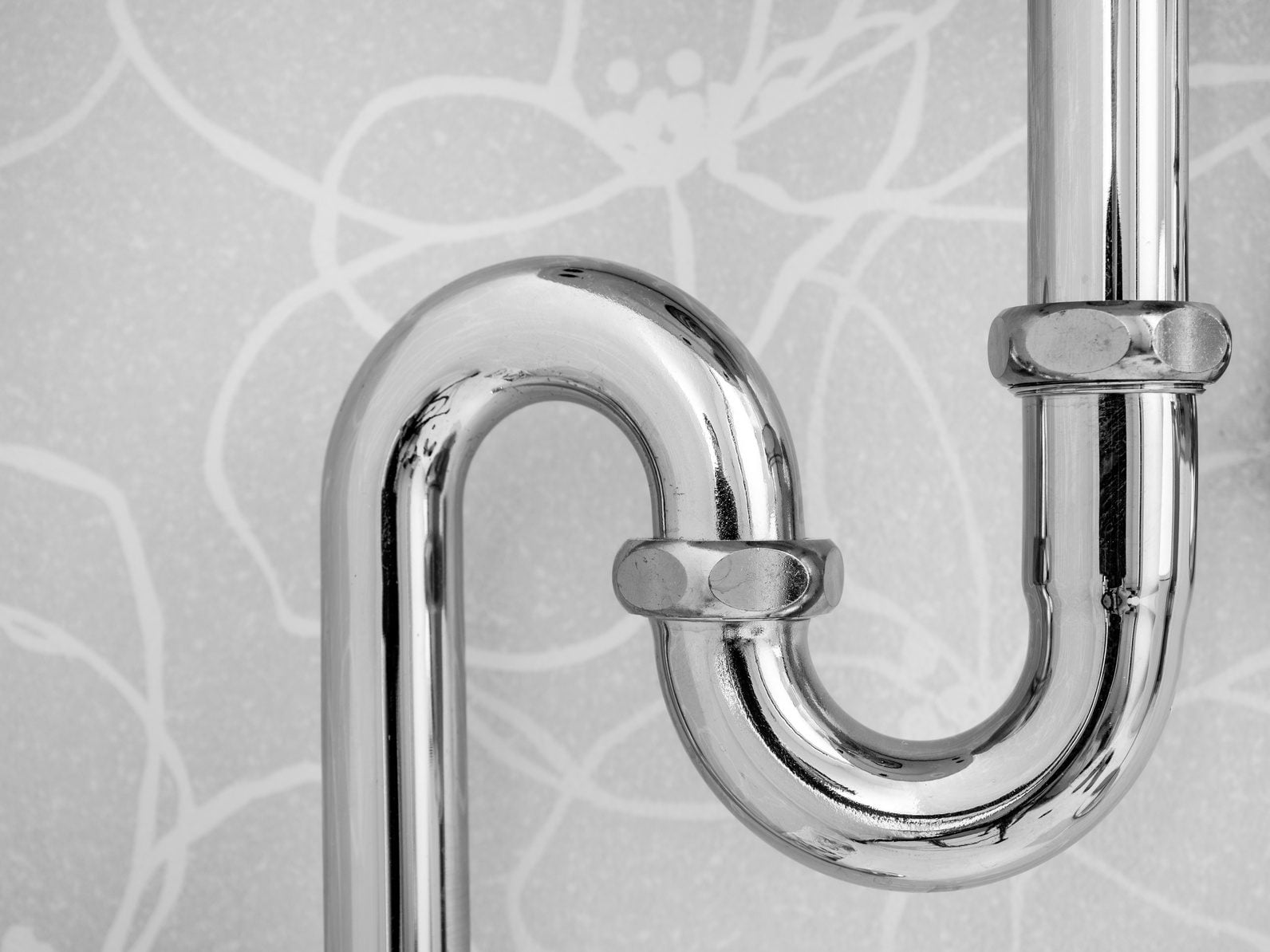
- Most sink, tub and shower clogs sit close to the drain opening, in the stopper, the strainer or the curved trap under the sink.
- A plunger only works when it seals with water around the cup. Block the sink or tub overflow hole first.
- Never mix drain cleaners or plunge after pouring one in. Splashes can burn, and mixed products can release harmful fumes.
- If two or more drains are slow at once, the problem is likely in the main line, not one drain.
- Austin Water says the owner's shutoff valve is typically on the owner's side of the water meter, in the meter box.
How to unclog a drain: what should you try first?
To unclog a drain in Austin, start with the simplest fix: remove the stopper or strainer and clear the hair and gunk caught on it. Many slow bathroom sinks and tubs are blocked right there, a few inches below the opening, and no tools are needed.
- Stop running water into the drain so it does not overflow.
- Pull out the pop-up stopper or unscrew the strainer. Some sink stoppers release when you loosen the nut on the pivot rod under the sink.
- Wear gloves and wipe off hair and soap film. Throw it in the trash.
- Use a plastic barbed drain tool to pull out more hair from just below the opening.
- Run hot tap water and watch how fast it drains.
If the water still sits, move on to a plunger, then a hand snake. Work from the gentlest method to the strongest.
Myth or fact: does baking soda and vinegar unclog a drain?
This is mostly a myth. Baking soda and vinegar fizz because they cancel each other out, and the bubbles have little force to push a real clog of hair or grease. It can freshen a drain that smells, but it rarely clears one that is stopped.
The mix is safe to try. If nothing changes, go straight to mechanical methods, and do not follow it with a chemical drain cleaner.
Myth or fact: is boiling water safe for every drain?
Partly true. Very hot water can soften a fresh grease or soap clog, but boiling water is not safe for every fixture. It can crack porcelain and soften the glued joints of PVC plastic drain pipe found under many Austin sinks.
A safer choice is the hottest water from your tap, poured slowly. Never pour boiling water into a drain that already has a chemical cleaner in it, or into a sink full of standing water, because it can splash back. If hot tap water does not help after two tries, use a plunger or a snake.
Need help now? Call to be connected with a local provider in Austin who can check availability for your address.
Myth or fact: are chemical drain cleaners the quickest fix?
They feel quick, but they often are not. Chemical cleaners can eat away part of a clog and leave the rest, then sit in the trap as a hazard. Many plumbers suggest using them rarely, if at all.
- Burns: lye and acid products can burn skin and eyes, and plunging afterward can splash them out.
- Fumes: mixing a drain cleaner with bleach, ammonia or another drain product can release harmful gas.
- Pipes and septic: repeated use can be hard on older metal pipes and septic systems.
If you already used a product and the drain is still blocked, do not plunge or open the trap. Call, and tell the provider which product you used.
How do you plunge a sink or tub drain the right way?
Use a flat cup plunger, not a toilet plunger, and make a seal over the drain with a few inches of water around the cup. The key step most people miss is blocking the overflow hole, the small opening near the top of a sink or tub, so the pressure goes down the pipe instead of out the top.
- Remove the stopper and plug the overflow hole with a wet rag. On a double kitchen sink, plug the other drain too.
- Fill the sink or tub with enough water to cover the plunger cup.
- Set the cup flat over the drain and push down slowly to push the air out.
- Pump firmly up and down 15 to 20 times without breaking the seal, then pull up sharply.
- Check whether the water drains. Repeat two or three times before switching to a snake.
If your kitchen sink has a garbage disposal, turn off its power first and never reach into it. See our page on garbage disposal repair if the disposal itself is jammed.
How do you use a hand drain snake without damaging pipes?
A hand drain snake, also called a drain auger, is a coiled cable you crank into the pipe to grab or break up a clog. A small one, about a quarter inch thick and 15 to 25 feet long, suits sinks, tubs and showers.
Feed the cable in slowly. When you feel resistance, lock the cable and turn the handle so the tip bites into the clog, pushing gently. Forcing it can kink the cable or scratch a fixture. Pull it back slowly and wipe it off as it comes out. If a sink clog sits in the U-shaped P-trap, you can also remove the trap over a bucket and clean it, but stop if the nuts are corroded or you used chemicals earlier.
Skip powered drum machines unless you know how to use one. The spinning cable can whip, catch gloves and injure hands.
When is a clogged drain a sign of a bigger problem?
A clogged drain points to a bigger problem when more than one fixture is slow, when water comes up in a tub or shower as another fixture drains, or when you smell sewage. Those signs usually mean the blockage is in the main line, not the single drain in front of you.
Gurgling drains and clogs that return every few weeks are other warning signs. Sewer gas is unpleasant and can be unsafe in a closed room, so open windows and stop using water. Our guide to telling a clogged drain from a sewer line problem walks through the signs, and the sewer line repair page explains what a main line issue involves.
What happens during the visit?
When you call to be connected with a local provider for drain cleaning in Austin, the visit usually starts with questions about which drains are slow and what you already tried, including any chemicals. Then the provider inspects the fixture and may run water in other drains to see whether the problem is one line or the main.
Next, they explain your options. That might be clearing the line with a professional cable machine, pulling a stopper or trap, or running a camera into the line if the clog keeps coming back. You should get a written quote before any work starts, and it is fair to ask what is included and what could change the scope.
What should Austin-area homeowners know about clogged drains?
A few local details help when a drain backs up in the Austin area. First, know where to shut the water off if a supply line or fixture starts leaking while you work. Austin Water says the property owner's shutoff valve is typically on the owner's side of the water meter in the meter box, and the City valve in that box may need a meter key, which most hardware stores sell.
Second, water hardness differs across the metro, and mineral scale can mix with soap film and hair to narrow drain openings over time. Austin Water's 2025 report lists tap-water total hardness of 70 to 126 ppm, with an average of 93 ppm. Round Rock, Pflugerville, Cedar Park and Georgetown run separate utilities, and Round Rock's 2024 report lists hardness of 184 to 358 ppm.
Third, the rules on doing it yourself. Texas law says a property owner is not required to be licensed to do plumbing in their own homestead, so clearing your own drain is your call. The Texas State Board of Plumbing Examiners (TSBPE) licenses plumbers statewide and advises consumers to ask their city's plumbing inspection department whether a job needs a permit and inspection. TSBPE also suggests getting the name of a company's Responsible Master Plumber and checking that the license is valid.
Homeowners in Austin, Round Rock, Cedar Park, Leander, Lakeway, Bee Cave and Buda can call to be connected with a local provider.
Related pages
Questions people ask
What is the easiest way for how to unclog a drain at home?
The easiest way is to remove the stopper or strainer and pull out the hair and gunk caught on it. If that does not work, plunge the drain with the overflow hole blocked, then try a small hand snake.
How do I unclog a bathroom sink full of hair?
Pull out the pop-up stopper and clean the hair off it, then use a plastic barbed drain tool to grab more from just below the opening. Most bathroom sink clogs are hair and soap within a few inches of the drain.
How do you unclog a shower drain that has standing water?
Unscrew or pry up the shower strainer and pull the hair out with gloves or a barbed drain tool. If water still stands, plunge with a few inches of water over the drain, then try a hand snake.
What can I use to unclog a kitchen sink with grease in it?
Start with hot tap water and dish soap, then plunge with the other side of a double sink plugged. If that fails, remove the P-trap or use a hand snake. Grease clogs often sit farther down the line, so a stubborn one may need a provider.
Does pouring baking soda and vinegar down the drain actually work?
It rarely clears a real clog. The fizz is mild and mostly cancels out, so it may freshen a smelly drain but will not move a hair mat or grease plug.
Is it bad to pour boiling water down the drain?
It can be. Boiling water may crack porcelain and soften glued PVC drain joints, so use the hottest tap water instead and pour it slowly.
Is Drano or other drain cleaner safe for my pipes?
Occasional use may not hurt newer pipes, but chemical cleaners carry real risks. They can burn skin, splash during plunging, react with other products, and be hard on older pipes and septic systems.
What should I do if I already poured drain cleaner and it's still clogged?
Do not plunge, snake or open the trap, because the water in the pipe may still be caustic. Ventilate the room, keep kids and pets away, and call to be connected with a local provider, telling them which product you used.
Why does my sink drain slowly even after I plunged it?
The clog is probably farther down the pipe or packed too tightly for a plunger. Try cleaning the P-trap or using a hand snake, and if other drains are also slow, the main line may be the cause.
Why are all the drains in my house slow at the same time?
When every drain is slow at once, the blockage is usually in the main drain or sewer line rather than one fixture. Stop using water and call, since plunging one drain will not fix a main line clog.
Why does my bathtub fill with water when I run the washing machine?
That usually means the main drain line is partly blocked and the water is taking the easiest way out. It is a sign to stop using water and call to be connected with a local provider.
Do I need a plumber to unclog a drain in Austin, or can I do it myself?
You can usually clear a simple sink, tub or shower clog yourself. Texas law does not require a license for a property owner doing plumbing in their own homestead, but call for help when the main line is involved or the fix needs new pipe.
Does Austin's hard water cause clogged drains?
Hard water can add mineral scale that mixes with soap film and hair and narrows drains over time. Austin Water's 2025 report lists hardness of 70 to 126 ppm, while Round Rock's 2024 report lists 184 to 358 ppm.
How can I keep my drains from clogging again?
Use hair catchers in showers and tubs, scrape grease and food into the trash, and clean stoppers every few weeks. Running hot tap water after kitchen use also helps keep soap and food moving.
When should I stop trying and call someone for a clogged drain?
Stop when two rounds of plunging and a hand snake do not work, when more than one drain is affected, or when you smell sewage. Also stop if you used chemicals or the pipes look corroded, and call to be connected with a local provider.
Talk to someone about your plumbing problem
Call to be connected with a local provider who can check availability for your address and explain the next step.